21 Beautiful Ideas for a Winter Skincare Routine for Dry Skin That Bring Back Your Glow

Cold air outside and heated air inside pull moisture out of skin from both sides, and dry skin feels it first. Tight cheeks by midday, flaky patches around the nose, hands that sting after washing: winter shows up on the face before anywhere else.
A winter skincare routine for dry skin does not need ten products or a big budget. It needs the right order, gentle formulas and one habit above all: replacing the moisture winter takes away before it has time to leave.
The twenty-one steps below build that routine from the first cleanse to the last night cream, with honest notes on what each step does, who it suits and the small mistakes that undo good products.
Table of Contents
- Start With a Cream Cleanser, Not a Foaming Wash
- Wash With Lukewarm Water, Never Hot
- Pat Your Face Dry, Don’t Rub
- Apply Hyaluronic Serum on Damp Skin
- Add a Hydrating Toner or Essence Layer
- Seal Everything With a Ceramide Moisturizer
- Press a Few Drops of Facial Oil on Top
- Switch to a Rich Night Cream After Dark
- Sleep in an Overnight Hydration Mask
- Exfoliate Once a Week, and Gently
- Calm Flaky Patches With a Thick Balm
- Protect Your Lips With a Heavy Lip Balm
- Give Your Hands a Proper Hand Cream Ritual
- Wear Sunscreen Every Winter Morning
- Run a Humidifier While You Sleep
- Swap Harsh Body Wash for a Gentle One
- Soothe Winter Redness With a Calming Serum
- Feed Your Skin From the Inside Out
- Keep Showers Short and Warm
- Layer Products From Thinnest to Thickest
- Give a New Product Two Weeks Before Judging It
- Frequently Asked Questions
- Final Thoughts: Winter Skin, Looked After
Start With a Cream Cleanser, Not a Foaming Wash

A cream cleanser is the single easiest upgrade a dry winter face can get. Foaming washes strip the natural oils that already run low in cold months, while a cream or milk formula lifts dirt and sunscreen without that tight, squeaky feeling afterwards. Skin should feel soft after cleansing, never stretched.
What You Need
- Cream or milk cleanser, fragrance-free
- Cleansing balm for makeup days
- Soft cotton washcloth, not a rough towel
- Lukewarm water, never hot
Use it on dry or slightly damp skin, massage for a full thirty seconds, then rinse. If makeup is in the picture, a first pass with a cleansing balm followed by the cream cleanser takes everything off without a second round of rubbing. Skip the morning wash on very dry days and rinse with water instead.
Wash With Lukewarm Water, Never Hot

Hot water feels wonderful on a cold morning and quietly wrecks dry skin. It melts away the oils that hold moisture in, leaves the skin barrier open and turns an ordinary cleanse into a drying treatment. Lukewarm water, about body temperature, cleans just as well and costs the skin nothing.
The test is simple: if the mirror steams up or the face looks pink afterwards, the water was too hot. This matters most in the shower, where hot water runs over the face and body for minutes at a time. Turning the dial down a notch is free, instant and more effective than any serum bought afterwards.
Pat Your Face Dry, Don’t Rub

The Gentle Way
- Soft, clean towel kept just for the face
- Press and lift, no dragging strokes
- Leave skin slightly damp for the next step
- Replace the towel every two or three days
How skin is dried matters as much as how it is washed. Rubbing with a towel drags at a barrier already weakened by cold air, and it leaves micro-irritation that shows up later as redness and flakes. Patting gently with a soft towel, pressing rather than wiping, keeps the surface calm.
Leave the skin very slightly damp on purpose, because the next step works better that way. A damp face holds serums and creams in place and helps them absorb, while a bone-dry face makes every product sit on top. The whole habit takes ten seconds and changes how the rest of the routine performs.
Apply Hyaluronic Serum on Damp Skin

A hyaluronic acid serum is winter’s best friend for dry skin, but only when it is used on damp skin. The ingredient pulls water toward itself, so on a damp face it draws moisture in, while on a completely dry face in a dry heated room it can pull water out of the skin instead. Order is everything here.
At a Glance
Press two or three drops over the face and neck right after washing, while the skin is still dewy. Follow within a minute with moisturizer, because a serum alone evaporates and leaves the skin drier than before. Used this way, one small bottle lasts months and softens the tight feeling by the first week.
Add a Hydrating Toner or Essence Layer

A hydrating toner or essence is the step most people skip and dry skin misses most. It is not the stinging astringent of old beauty counters: modern hydrating toners are watery layers of glycerin and soothing plant extracts that give the serum and cream something to hold on to.
Pat it on with the palms, never a cotton pad, which wastes product and drags the skin. One layer is enough on mild days; two thin layers, pressed in one after the other, rescue a face that has spent the day in wind and central heating. The whole layer adds twenty seconds to the routine.
Skip the sting: a toner that tingles or smells strongly is working against dry skin. Choose alcohol-free and fragrance-free, and if it burns on application, it does not belong in a winter routine.
Seal Everything With a Ceramide Moisturizer

Once the watery layers are on, they need a lid. A ceramide moisturizer is that lid: ceramides are the fats that naturally hold skin cells together, and a cream rich in them patches the gaps cold weather opens. The right one feels cushiony on application and leaves no greasy shine behind.
Texture matters more than price here. A light lotion that vanishes in summer will not survive a January afternoon, so winter calls for a proper cream, the kind that holds its shape in the jar. Apply it while the serum is still slightly tacky, and take it down the neck and onto the ears.
What You Need
- Ceramide-rich face cream, fragrance-free
- A pea-sized amount for the T-zone
- A generous layer on cheeks and jaw
- Reapply on cheeks before going outdoors
Oily areas need not be skipped. A ceramide cream suits combination skin too, because it repairs the barrier instead of adding oil. Use a thinner layer across the forehead and nose, a generous one across the cheeks and jaw, and the whole face stays comfortable without a midday shine.
Press a Few Drops of Facial Oil on Top

On the coldest days, cream alone may not be enough, and that is where a facial oil earns its place. Two or three drops pressed over the moisturizer act like a second seal, keeping the watery layers underneath from escaping into dry heated air. The skin looks lit from within rather than coated.
The method is the whole trick: warm the drops between the palms first, then press them onto the face instead of rubbing. Rubbing moves the cream underneath and pills the layers, while pressing lets the oil sit on top and do its job. Jojoba and squalane suit most dry skin without clogging pores.
Oil is also the easiest way to rescue a foundation that sits badly on dry skin. One drop mixed into the base before application stops it catching on flakes and keeps the finish smooth past lunchtime. Keep it to the driest areas if the T-zone turns shiny by mid-afternoon.
Switch to a Rich Night Cream After Dark

Night is when dry skin does its repair work, and a rich night cream is the tool for the job. Night formulas are heavier than day creams because they do not have to sit under makeup or sunscreen, so they can carry more oils, more ceramides and more of the comforting texture dry skin craves.
Apply it at least twenty minutes before bed so it sinks in rather than transferring to the pillow. A thin layer on the neck and the backs of the hands is worth the extra seconds, since both show winter dryness early. Waking to a face that feels supple instead of tight is the sign the cream is right.
The Night Setup
- Thick night cream with ceramides or shea butter
- Apply twenty minutes before bed
- Include the neck and backs of the hands
- A silk or satin pillowcase helps it stay put
Sleep in an Overnight Hydration Mask
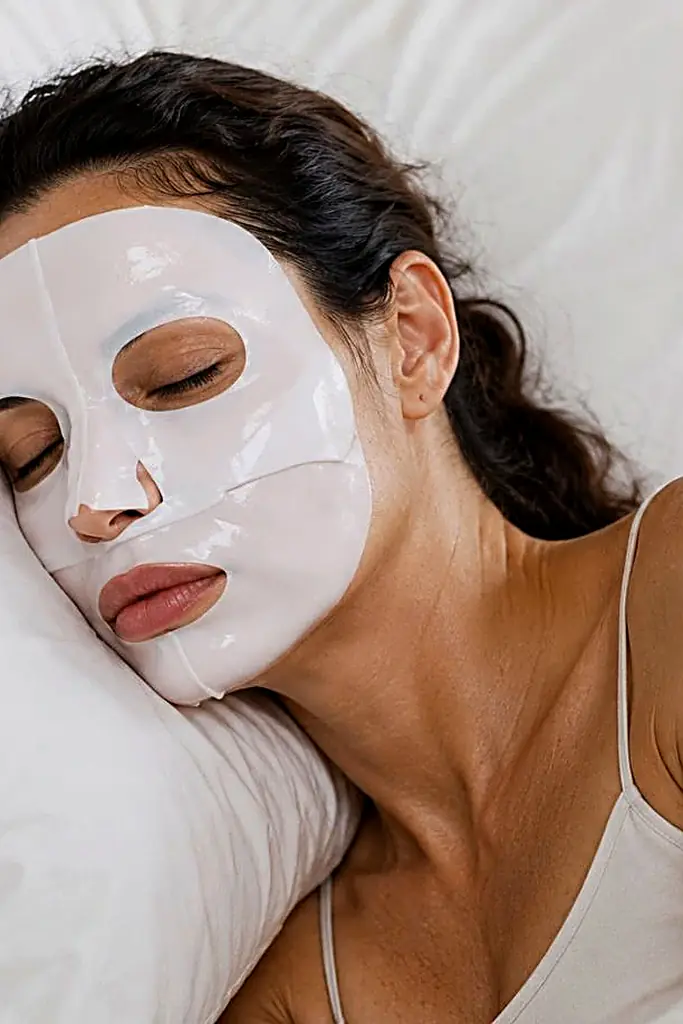
An overnight hydration mask is the weekly rescue step for skin that has had a hard week. It looks like a thick gel or cream, goes on as the last step before bed, and works through the night while the skin is warm and undisturbed. By morning, flaky patches look calmer and makeup sits better.
At a Glance
Twice a week is plenty for most dry skin, and more is not better: overdoing it can leave the skin feeling heavy and congested. Apply a visible layer, not a thin smear, and keep it away from the eyes and the hairline. In the morning, rinse with lukewarm water and go straight to the usual routine.
This is also the kindest step for skin that has been over-exfoliated or irritated by a new product. A night of pure hydration, with no active ingredients at all, lets the barrier settle before the routine resumes. Think of it as a rest day for the face.
Exfoliate Once a Week, and Gently

Dry skin still needs exfoliation, just far less of it and far more gently than oily skin does. A once-weekly pass removes the flaky top layer that stops moisturizer sinking in, and it lets the rest of the routine work on fresh skin instead of dead cells. The glow afterwards is the proof it was needed.
What You Need
- Mild lactic acid or enzyme exfoliant
- Evening use only, once a week
- Rich cream straight afterwards
- Skip it entirely if skin feels sore
Chemical exfoliants win here over scrubs. A mild lactic acid or enzyme formula dissolves flakes without the scratching that a gritty scrub causes on a fragile barrier. Use it in the evening, follow with the richest cream in the routine, and never exfoliate on a day the skin already feels sore.
The warning signs of overdoing it are redness that lingers, stinging when moisturizer goes on, and skin that feels thinner and tighter than before. Any of those means stopping for at least two weeks. One gentle session a week is the ceiling for dry winter skin, not the floor.
Calm Flaky Patches With a Thick Balm
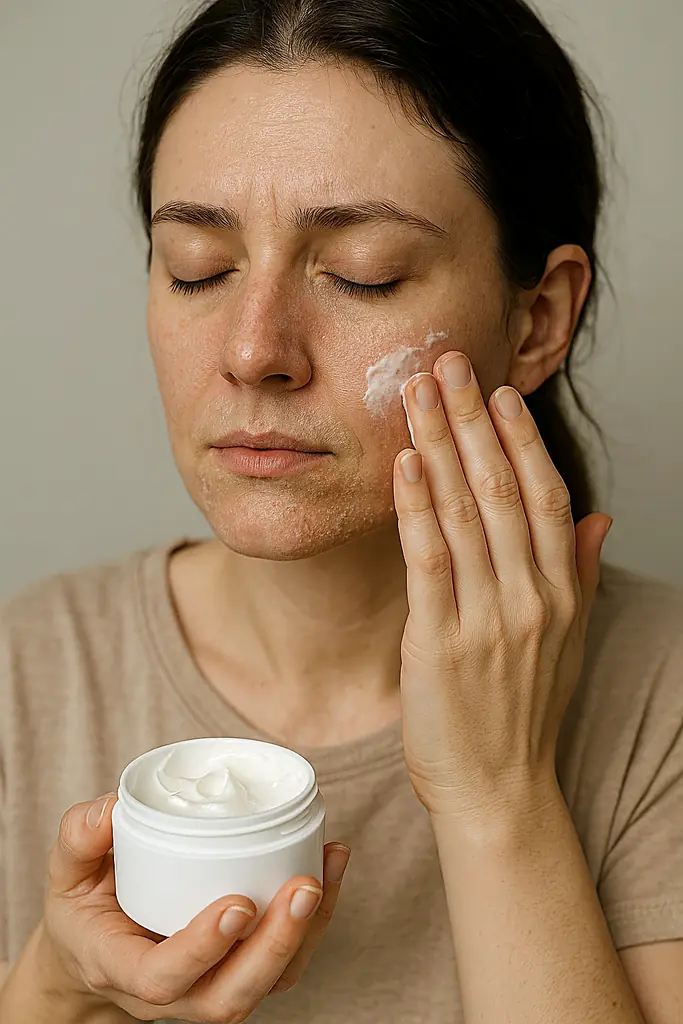
Hands off: picked or scrubbed flakes always come back worse, because the raw skin underneath dries out faster. Balm, patience and two or three days do what no amount of rubbing can.
Flaky patches around the nose, chin and brows need something stronger than an ordinary cream. A thick balm, the kind that comes in a small pot and feels almost like an ointment, sits on the patch and seals it while the skin underneath repairs itself. It is the closest thing to a bandage a skincare routine has.
Dab it on as the very last step, only where the flakes are, and leave it alone. Picking at flakes or scrubbing them off tears the skin underneath and restarts the whole cycle, while a balm lets the patch heal quietly over a few days. A tiny amount goes far, so one pot lasts the whole season.
Protect Your Lips With a Heavy Lip Balm
At a Glance
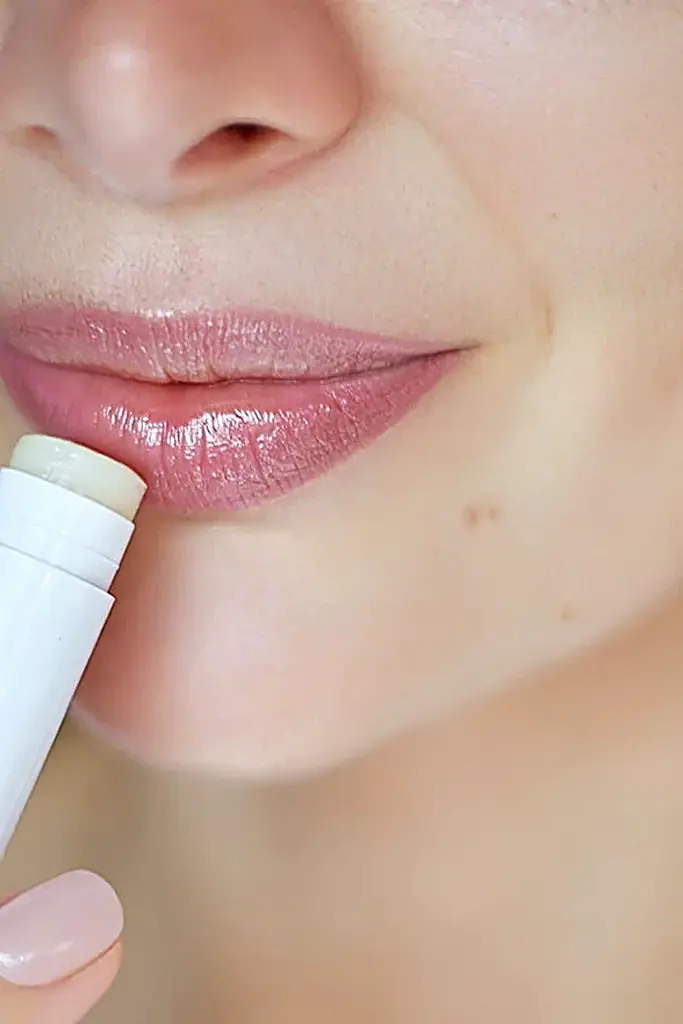
Lips have no oil glands of their own, which is why they chap first and heal last in winter. A heavy lip balm with shea butter or beeswax is the only defence, and it needs to be applied before going outside, not after the damage is done. A thin waxy stick will not survive a windy day.
Licking the lips makes everything worse, because saliva evaporates and leaves the lips drier than before, and the cycle repeats all day. Keep a balm in every coat pocket and one by the bed, and reapply after eating and drinking. A gentle sugar scrub once a week lifts flakes without tearing the skin.
Lipstick on chapped lips is a losing battle: matte formulas catch on every flake and make the lips look worse by midday. A thick balm underneath, given five minutes to sink in, gives lipstick a smooth base, and a creamy or satin finish forgives far more than a matte one ever will.
Give Your Hands a Proper Hand Cream Ritual
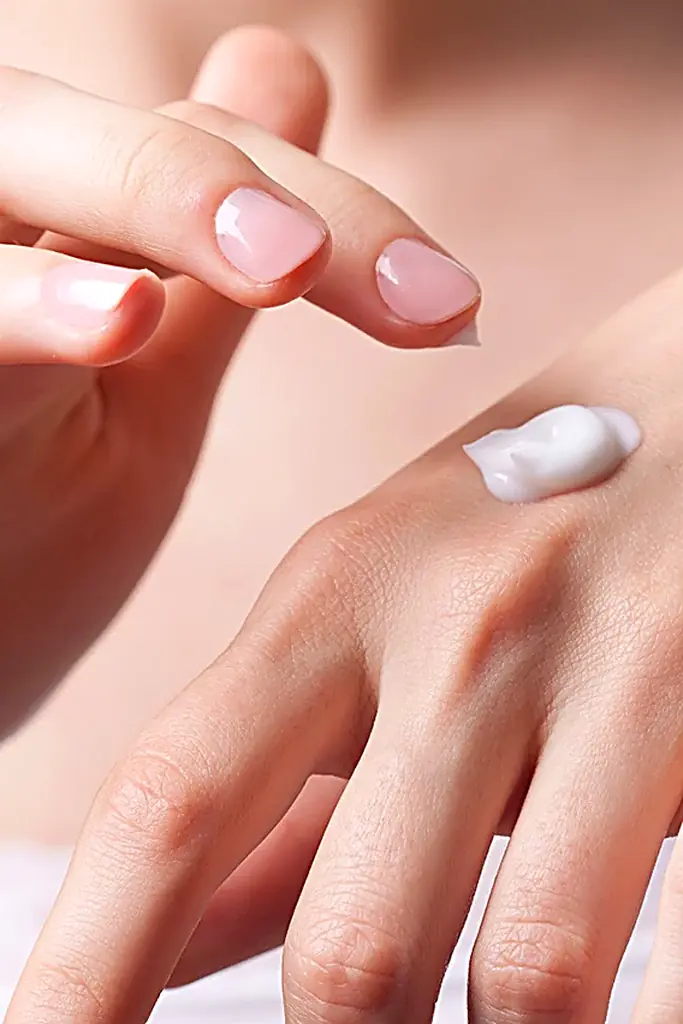
Hands take the worst of winter: cold air, hot water, washing up, handwashing, all of it several times a day. A rich hand cream with glycerin or shea butter, applied after every wash, is the only thing standing between the skin and cracked knuckles. The tube needs to live next to the sink, not in a drawer.
The overnight version of this step is the one that changes hands fastest. A thick layer of cream, or even a plain ointment, before bed, with thin cotton gloves over the top, turns a week of neglect around in two or three nights. It looks odd and works beautifully, which is the best kind of advice.
The sink rule: every handwash strips the skin, so the cream goes on after every wash, not just morning and night. Keep one tube by every sink and the habit looks after itself.
Cuticles deserve a mention too, since they split and snag all winter. A drop of hand cream or oil massaged into each nail bed while the cream is already on the hands keeps them soft and stops the painful little tears that catch on sweaters and sheets.
Wear Sunscreen Every Winter Morning

At a Glance
The most skipped step in any winter skincare routine for dry skin is sunscreen, and it is the one that costs the most later. Winter sun sits lower but still reaches the skin, and snow and bright cloud reflect it back upward. UV damage does not take the season off, even when the temperature does.
A moisturizing sunscreen, or a day cream with SPF 30, folds the step into the routine without an extra layer. Apply it as the last step before makeup, including the neck and the backs of the hands, and reapply before a long walk outdoors. Dry skin suits cream formulas far better than gels or sprays.
Run a Humidifier While You Sleep

Central heating dries indoor air to desert levels, and eight hours of sleeping in it undoes a careful evening routine. A bedroom humidifier puts moisture back into the air, so the skin loses less water overnight and wakes up plumper instead of tight and papery. It is skincare that works while doing nothing.
Clean it weekly: a humidifier left unwashed grows mould and bacteria, which is worse for skin and lungs than dry air. Empty it, rinse it and let it dry fully once a week.
Place it a little way from the bed, keep it clean with a weekly rinse, and aim for the middle of the range: too much humidity brings its own problems. The difference shows in the first week, often in the lips and the corners of the nose first, and the sinuses tend to thank the owner too.
No humidifier at hand does not mean no help. A damp towel on the radiator or a bowl of water near the heat source adds a little moisture to the room, and keeping the bedroom door closed holds it in. It is a small, old-fashioned fix that still works.
Swap Harsh Body Wash for a Gentle One

The face gets all the attention while the body quietly suffers the same winter. A harsh, strongly scented body wash strips the skin on the shins, arms and back just as surely as a foaming face wash strips the cheeks. A gentle, creamy, fragrance-free wash is the body version of the cream cleanser.
Follow it with body butter or a thick lotion applied to damp skin within a few minutes of the shower, while the skin is still warm. Shins and elbows, the two driest spots on most bodies, need a second pass. The whole habit adds two minutes and ends the winter itch that scratching only makes worse.
At a Glance
Soothe Winter Redness With a Calming Serum

What You Need
- Centella, niacinamide or oat serum
- After hydrating layers, before cream
- No strong acids on the same night
- Persistent redness means a dermatologist
Cold wind and hot rooms take turns flushing the cheeks, and for some skin the redness stays long after the temperature settles. A calming serum with centella, niacinamide or oat extract quiets that reactivity over a few weeks, working under the moisturizer like a peacekeeper between the skin and the weather.
Apply it after the hydrating layers and before the cream, and give it time: calming ingredients do not show their work in a day. The first change is usually that the skin stops stinging when products go on, and the visible redness follows a week or two later. Skip strong acids and retinoids on the same nights.
Redness that burns, blisters or spreads needs a dermatologist, not a serum. A calming routine handles weather redness and mild sensitivity well, but persistent or painful redness is a medical question, and no over-the-counter product should be asked to answer it.
Feed Your Skin From the Inside Out

No cream can do all the work alone, and winter is when the inside of the routine matters most. Omega-rich foods like oily fish, walnuts and flaxseed support the skin barrier from within, while colourful fruit and vegetables add the vitamins skin uses to repair itself after cold and wind.
Water helps too, though not in the way it is usually sold: drinking more does not directly hydrate the skin, but dehydration makes everything worse, and winter is when people forget to drink. A glass of water with every meal and a bottle on the desk keeps the baseline steady without any fuss.
At a Glance
Alcohol and very salty food show up on dry skin fast, usually as extra tightness the next morning. Nobody needs a lecture about a festive drink, but a glass of water beside it and the richest night cream afterwards soften the morning-after effect considerably.
Keep Showers Short and Warm

At a Glance
A long hot shower is winter’s most tempting habit and dry skin’s worst enemy. Hot water dissolves the skin’s natural oils, and the longer the shower runs, the more it takes. Five to ten minutes in warm water cleans the body completely and leaves the barrier mostly intact.
The Shower Rules
- Five to ten minutes, warm not hot
- Moisturize within three minutes of drying
- Pat the skin dry, never rub
- Second pass on shins and elbows
The real damage often happens after the shower, in the ten minutes when wet skin is left bare. Moisturizer goes on within three minutes of towelling off, while the skin is still damp and warm, and the difference between that and waiting half an hour is the difference between soft skin and itchy shins.
Layer Products From Thinnest to Thickest
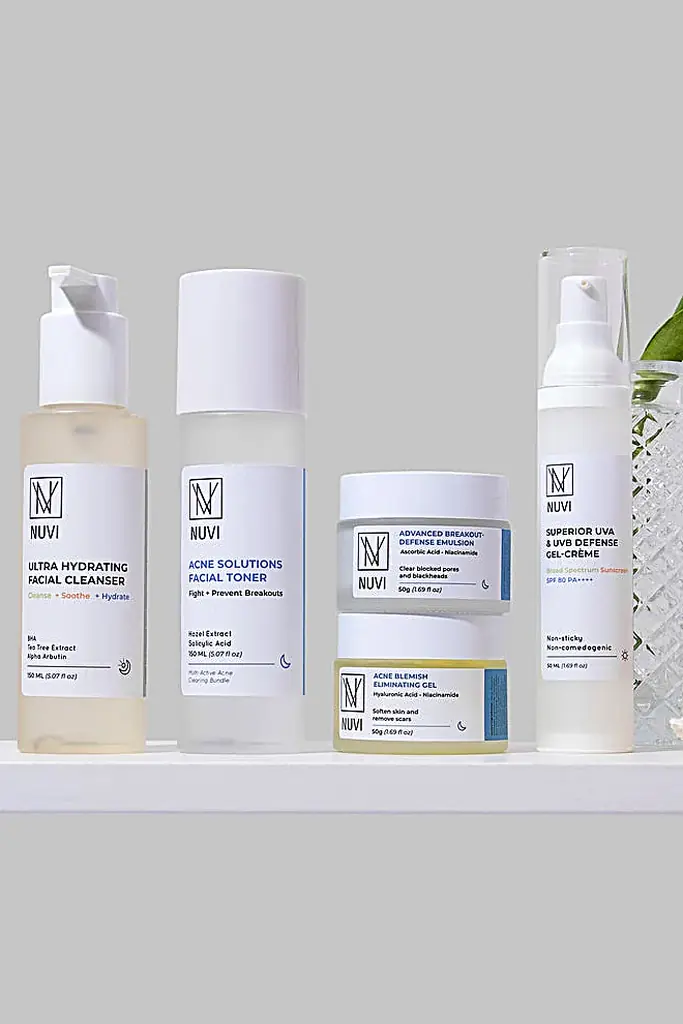
The order of products is not a mystery and it is not a marketing trick. Thinnest to thickest is the rule: watery toner first, then serum, then cream, then oil or balm last. Each layer seals the one before it, and a thick cream applied first would block everything lighter from reaching the skin at all.
Between layers, thirty seconds is enough. The previous layer should feel settled rather than wet, and there is no need to wait for it to dry completely. On rushed mornings the whole stack still fits inside three minutes, which is less time than the kettle takes.
This order also explains most pilling, that annoying moment when products ball up under the fingers. Pilling usually means too much of something, or a silicone-heavy layer fighting a watery one. Less product per layer and a lighter hand fix it faster than any new purchase.
The Layer Order
- Toner or essence first
- Serum on damp skin
- Cream to seal
- Oil or balm last, only where needed
Give a New Product Two Weeks Before Judging It
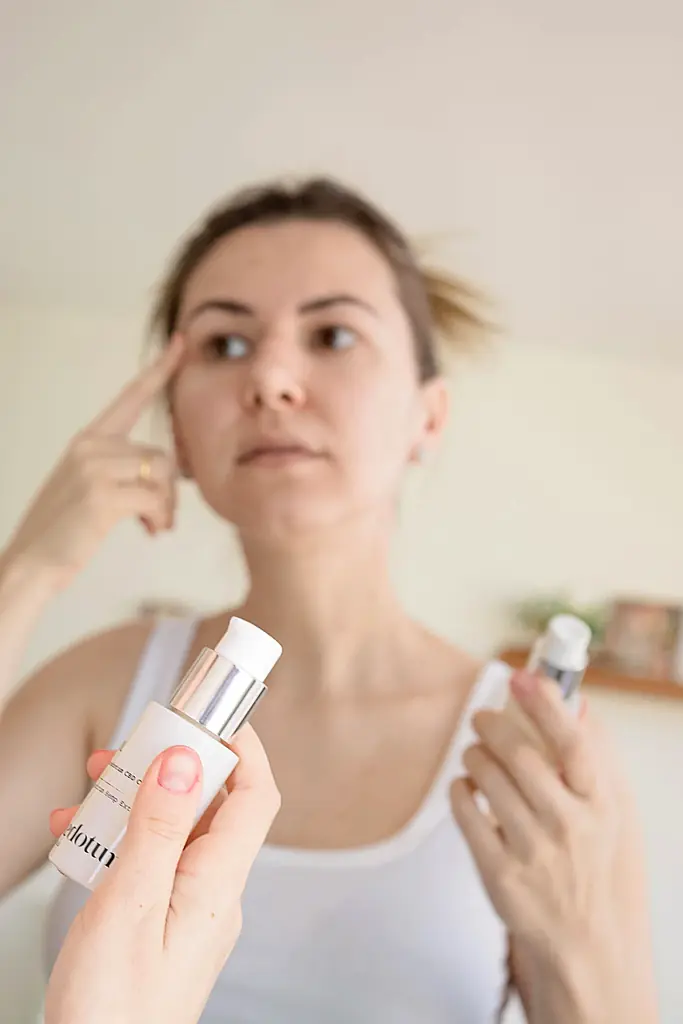
The fastest way to wreck a winter routine is to change products every few days. Skin needs about two weeks to show what a new product actually does, and judging it on day two means throwing away creams that would have worked and keeping the one that only felt nice on first touch.
Introduce one new product at a time, and keep everything else the same. That way, if the skin reacts, the culprit is obvious instead of a mystery spread across four new bottles. A simple note of the start date on the bathroom mirror is enough to keep the test honest.
The Two-Week Test
- One new product at a time
- Two weeks before any verdict
- Note the start date
- Stop immediately if stinging or rash appears
One at a time: a routine that changes one product per fortnight is a routine that can be trusted. Everything at once is a guessing game, and the skin pays for the guesses.
Frequently Asked Questions
QHow often should dry skin be moisturized in winter?
Twice a day as a baseline, morning and night, with a small top-up on the cheeks before going out into cold wind. If the skin feels tight by midday, the morning cream is too light for the weather rather than the routine being wrong. A richer cream, not more frequent application, is usually the fix.
QCan the same moisturizer be used all year round?
It can, but it rarely works well. A light lotion that suits summer usually cannot hold moisture in through heated indoor air and cold wind. Most dry skin does best with a lighter cream in warm months and a richer, ceramide-based cream from late autumn through winter, then back again in spring.
QWhy does skin feel worse indoors in winter?
Central heating pulls moisture out of indoor air, and dry air pulls moisture out of skin all day long. The effect is strongest overnight and in offices, where the heating runs for hours. A humidifier helps, and so does a richer evening cream, because both give the skin back what the heated air takes.
QIs exfoliation safe for very dry skin in winter?
Yes, once a week and gently. A mild lactic acid or enzyme exfoliant removes the flakes that stop moisturizer sinking in, without scratching the skin the way a gritty scrub does. Skip the week entirely if the skin feels sore or stings, and always follow with the richest cream in the routine.
QHow long does a new winter routine take to show results?
The tight, uncomfortable feeling usually eases within the first week, because hydration layers work quickly. Flaky patches and redness take longer, often two to three weeks of steady routine. If nothing has changed after a month, the products may not suit the skin, and it is worth changing one thing at a time.
Final Thoughts: Winter Skin, Looked After
Winter dryness is not a skin type problem and it is not a failure of effort. It is the season doing what the season does, and a steady routine built on gentle cleansing, layered hydration and a proper seal answers it without drama. The best winter skincare routine for dry skin is the one that gets done every day, not the one with the most bottles.
Start with the cleanser and the cream, add the serum and the small habits one at a time, and give the routine two honest weeks. By then the mirror usually tells the story: skin that feels comfortable at the end of the day, makeup that sits properly, and a face that no longer dreads the cold walk to the car.